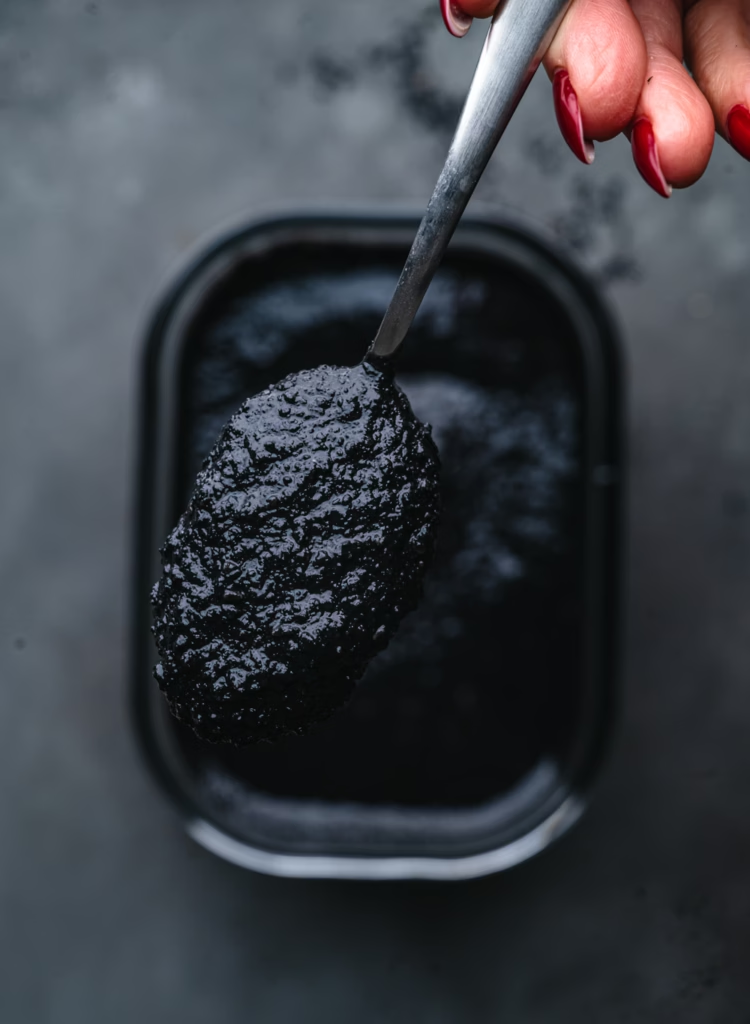
This Black Tahini is a rich, nutty, deeply toasted black sesame paste made with black sesame seeds, olive oil, and sesame oil. It is smooth, bold, slightly earthy, and perfect for cookies, granola, toast, sauces, dressings, desserts, and anywhere you want a dramatic little hit of black sesame flavour!
This post may contain affiliate links
Black Sesame Tahini
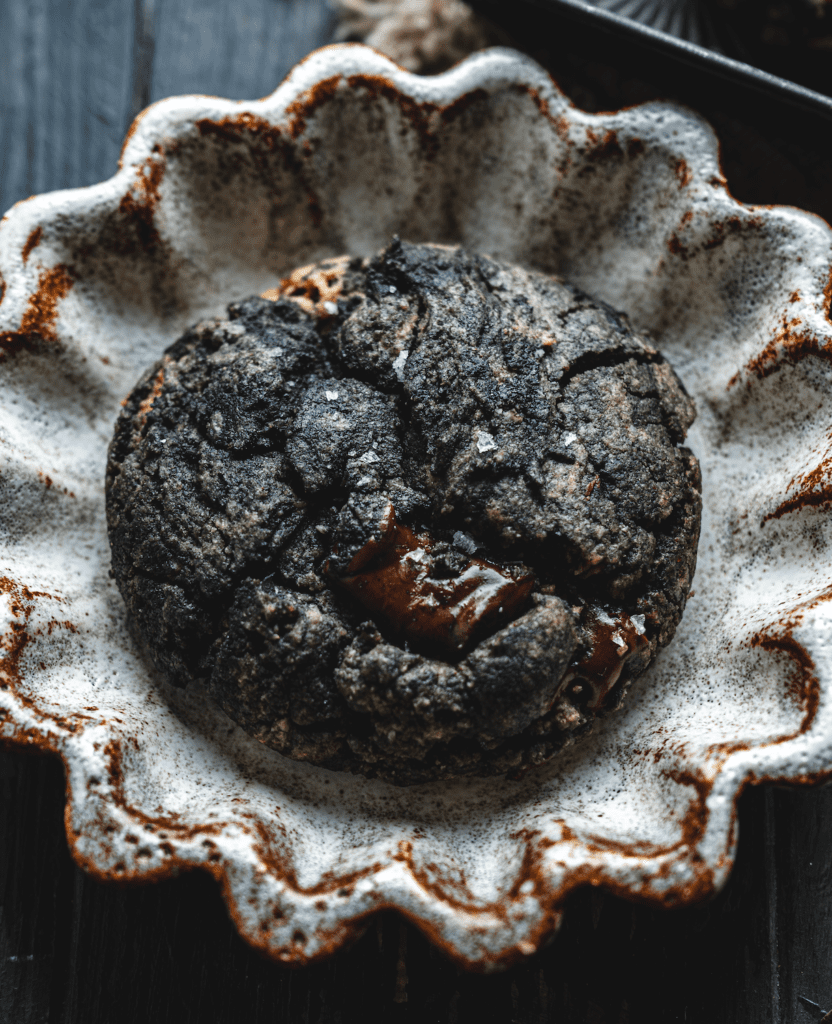
I’ve been blabbing about making black sesame tahini for a very long time, and while I highly doubt any of you have been sitting on the edge of your seat waiting. It’s been living rent-free in the back of my mind since I first mentioned it at least two years ago, when I started playing with black sesame paste. The first recipe I ever made was these Black Magic Tahini Cookies!
My next recipe has become world famous. These Black Tahini Brown Butter Chocolate Chunk Cookies are quite literally my favourite cookies EVER. They’re so easy to make and insanely tasty. If you haven’t tried them yet, add them to your list, because they are a whole experience.
One thing that kept coming up in the comments was that many of you couldn’t find black tahini at your local stores. Moments like this remind me how lucky I am to live in such a diverse, multicultural city like Toronto. I can find nearly anything I want, no matter how obscure. However, I know it’s not your everyday ingredient, which is why this recipe is on the website, because my suggestion for things like this will always be… make your own!!
What is Black Tahini?
By now, you may have gotten this far in the blog and be asking, “What is black tahini?” and to that, I’ll say it’s pretty much the same as regular tahini, but black! It’s a black sesame seed paste made the same way as regular tahini. Think of it as black tahini, like sesame butter or black sesame seed tahini. Just as peanut butter is made by grinding peanuts, tahini is made by grinding sesame seeds into a smooth paste.
Black Sesame Paste vs Tahini
The main difference between the two sesame pastes is the colour of the sesame seeds used. The process is the same, and the colour is different; you may notice a slight difference in smoothness or flavour, but for the most part, they are the same.
This black tahini recipe is unsweetened and works like regular tahini. Add it to cookies, blend it into sauces, stir it into yogurt, drizzle it over oats, or use it anywhere you would use tahini with a little more drama.
Why You’ll Love This Black Sesame Paste!
You will love this black sesame paste because it is rich, nutty, toasty, and so much more exciting than anything you will usually find in the average pantry. It has a deep roasted flavour that works beautifully in both sweet and savoury recipes. Think cookies, granola, brownies, energy balls, toast, sauces, dressings, yogurt bowls, banana bread, and even ice cream. It is one of those ingredients that instantly makes a recipe feel a little more elevated.
It is bold, beautiful, and incredibly useful. Also, the colour is stunning. Food doesn’t need to be dramatic, but sometimes it helps. I have a couple more recipes featuring this dramatic little black sesame paste for the rest of fall, so stay tuned!
Ingredients for Black Tahini
The ingredient list for tahini is short; grab what you need and your food processor.
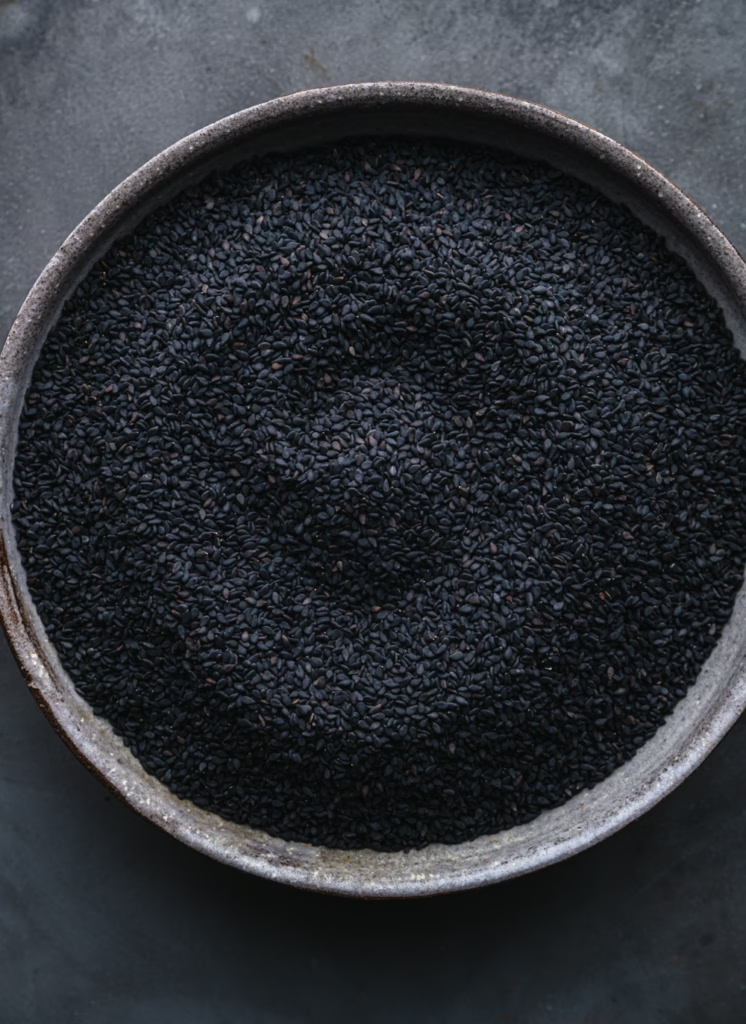
Black Sesame Seeds are the star of this recipe. They give the paste its colour, flavour, and body. Toasting them first brings out their natural oils and makes the final black sesame spread taste deeper, nuttier, and more aromatic.
Olive Oil helps loosen the sesame seeds and turn them into a smooth paste. It gives the mixture a silky texture and helps the food processor work. You do not need much, but it makes a big difference.
Sesame Oil adds an extra layer of toasty sesame flavour. I like mixing olive oil and sesame oil because it adds depth without overpowering the flavour. Start with one tablespoon, then add more if the paste feels too stiff.
How to Make Black Tahini, aka Black Sesame Paste
Start by preheating your oven to 325°F. A lower oven temperature helps toast the seeds gently without burning them. Sesame seeds are tiny, and tiny things love to go from toasted to ruined very quickly.
Toast the Sesame Seeds
Pour the black sesame seeds onto a baking sheet and spread them into an even layer. Toast for about 10 minutes. You want them warm, fragrant, and lightly toasted. Because they are already black, you will not see the same colour change you’d get with white sesame seeds, so use your nose.
Add Warm Seeds to the Food Processor
Carefully transfer the warm seeds to a food processor. Heating the seeds helps them break down more easily, so do not let them fully cool before processing. Warm seeds release their oils better, which helps create a smoother black sesame paste.
Blend until the seeds begin to break down. At first, the mixture will look sandy and crumbly. This is normal. Scrape down the sides as needed and keep going. Add the olive oil and one tablespoon of sesame oil, then continue processing. Trust the process; eventually, the mixture will start turning into a paste. If it still feels too thick or dry, add the extra tablespoon of sesame oil. Blend until you reach your desired texture; this may take a few minutes, but you’ll get there!
How to Store Homemade Black Tahini
Once you’ve finished blending, transfer the black sesame tahini to an airtight container. Store it in the pantry for up to one month. Give it a good stir before using, as the oil and paste often separate (just like with regular tahini).
How to Use Black Sesame Paste
If you’re curious how to use this black sesame paste, use it like regular tahini, with the added bonus of a visually dramatic result! It’s incredible in cookies like these. It also works beautifully in granola, brownies, protein bars, bark, bliss balls, banana bread, or swirled into oatmeal.
Drizzle it over yogurt bowls, chia pudding, toast, pancakes, or waffles. It is especially good with banana, chocolate, honey, maple syrup, vanilla, coconut, and berries. For savoury recipes, whisk it into dressings, sauces, marinades, or dips. Add lemon, garlic, soy sauce, maple syrup, ginger, or chilli crisp to make a gorgeous sauce for roasted vegetables, noodles, rice bowls, or tofu.
Once you have a jar in the pantry, you will start finding reasons to use it.
Tips for Making this Seed Butter
The biggest tip is to process longer than you think you need to. At first, the sesame seeds will look dry and crumbly. Then they will look like wet sand. Then, slowly, they will start to become paste. Do not panic. Do not quit. This takes a little time.
Toast the seeds before blending. Warm seeds break down more easily, and the flavour is so much better. Raw seeds will work, but toasted seeds give you that deep, nutty flavour we are after.
Add oil slowly. You can always add more, but you cannot take it away. Start with the olive oil and one tablespoon of sesame oil, then add the extra tablespoon only if needed.
Use a good food processor. This isn’t a recipe for a tiny, weak machine that gives up halfway through hummus. You need something with a bit of power, like this one, my favourite.
Black Tahini FAQ
What does black tahini taste like? Black tahini tastes nutty, earthy, rich, and deeply toasted. It has a stronger flavour than regular tahini and works beautifully in both sweet and savoury recipes.
Can I use black tahini like regular tahini? Yes. You can use black tahini anywhere you would use regular tahini, but expect a deeper flavour and darker colour.
Can I make this without sesame oil? Yes. You can use all olive oil if you prefer; sesame oil adds extra toasty flavour, but the recipe still works without it.
Can I sweeten this black sesame paste? Yes. This recipe is unsweetened, so you can use it in many ways. For a sweeter black sesame spread, stir in a little honey, maple syrup, or coconut sugar, depending on how you plan to use it.
How long does homemade black tahini last? Store it in an airtight container in the pantry for up to one month. If you prefer, you can also store it in the fridge, but it may become thicker.
Is black sesame paste healthy? Black sesame paste can absolutely fit into a healthy diet. Black sesame seeds contain healthy fats, plant-based protein, fibre, and minerals. Because this paste is made from seeds and oil, it is rich and calorie-dense, so a little goes a long way.
Did you make this recipe?
If you make this black tahini, I would love to hear what you think. Leave a rating and review below, and let me know how you used it! Try these black tahini recipes now that you’re equipped!
This Black Tahini is a rich, nutty, deeply toasted black sesame paste made with black sesame seeds, olive oil, and sesame oil. It is smooth, bold, slightly earthy, and perfect for cookies, granola, toast, sauces, dressings, desserts, and anywhere you want a dramatic little hit of black sesame flavour!
Carefully add to a food processor while seeds are still warm.
Blend until the seeds start to break down.
Scrape down sides as needed.
Add oil and keep processing until smooth in consistency.
Transfer to an airtight container and keep stored in the pantry for up to one month.
Notes
Heating the seeds helps to break them down more easily. If the paste is too stiff, add the extra tbsp of sesame oil. This takes patience. Please do not give up before the *magic* happens.
Nutrition
Nutrition Facts
Black Sesame Tahini
Serving Size
1 tablespoon
Amount per Serving
Calories
92
% Daily Value*
Fat
8
g
12
%
Saturated Fat
1
g
6
%
Polyunsaturated Fat
3
g
Monounsaturated Fat
3
g
Sodium
2
mg
0
%
Potassium
66
mg
2
%
Carbohydrates
3
g
1
%
Fiber
2
g
8
%
Sugar
0.04
g
0
%
Protein
2
g
4
%
Vitamin A
1
IU
0
%
Calcium
137
mg
14
%
Iron
2
mg
11
%
* Percent Daily Values are based on a 2000 calorie diet.
*Macros are provided as an estimate for convenience. Your final numbers will vary depending on ingredient brands, substitutions, and how you portion the recipe.