Homemade Peanut Butter

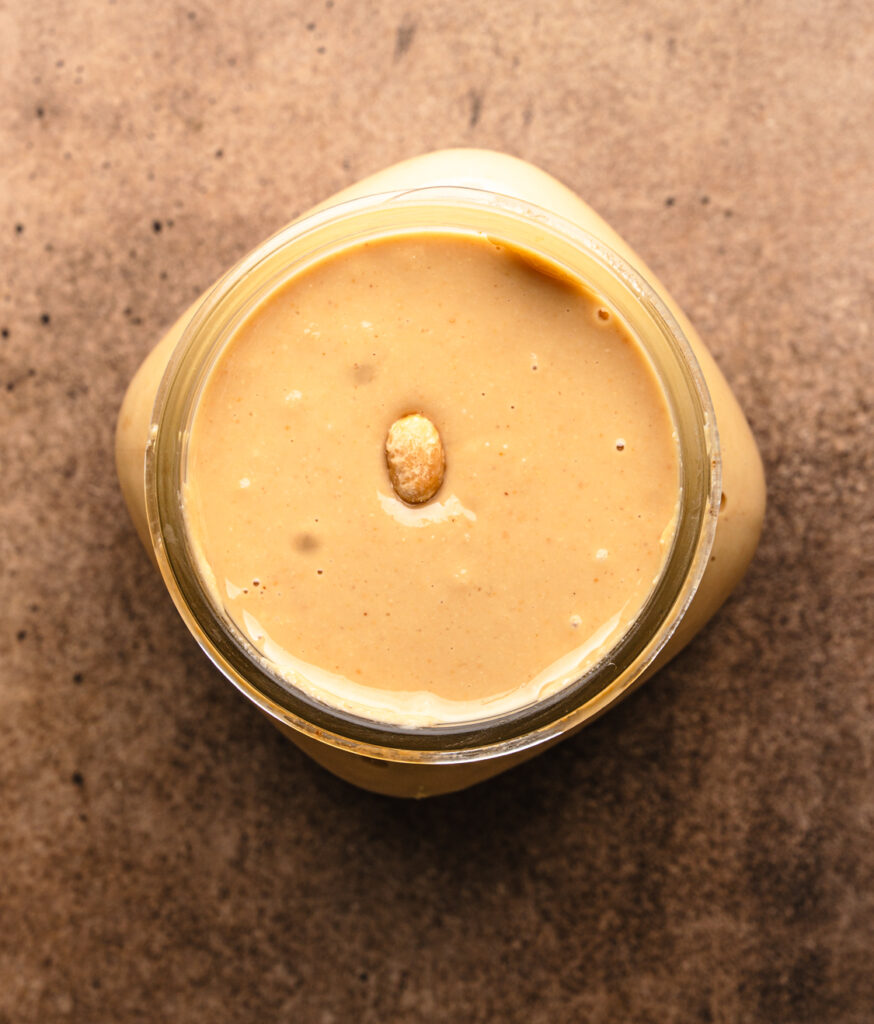
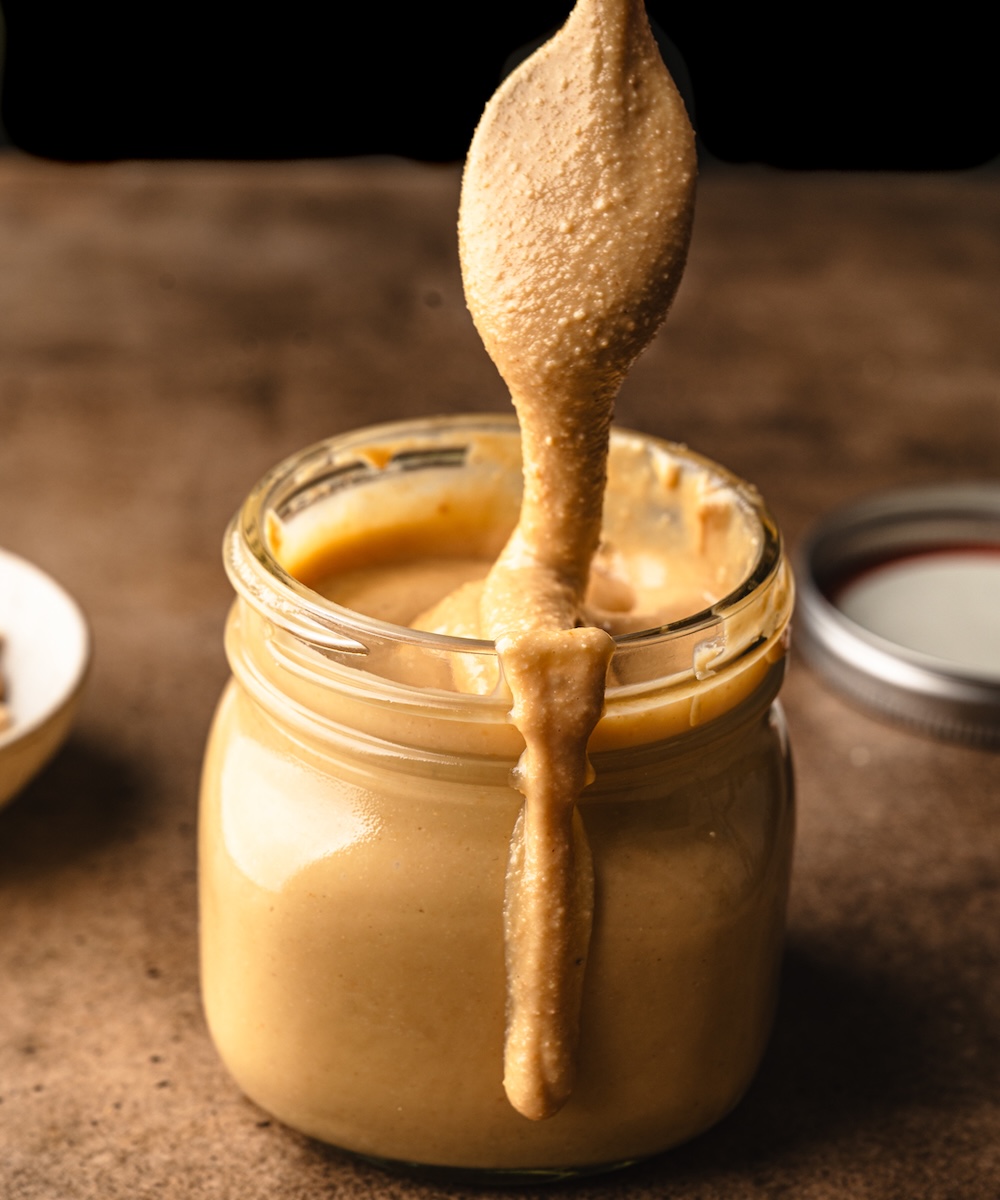
This homemade Peanut Butter recipe is smooth, creamy, deeply roasted, and made with just two simple ingredients: peanuts and salt! Once you learn how to make peanut butter at home, you may never go back to store-bought. It is fresh, affordable, easy, and healthier than anything you'll find on the grocery store shelf.

This post may contain affiliate links

Homemade Peanut Butter

You knew this was only a matter of time!!

I’ve been thinking about making my own peanut butter for ages, and now is officially the moment. My feed is full of ice cream and no-bake snacks, and you know what pairs beautifully with every single one of those? You guessed it. Peanut butter!

If you’ve been here for a while, you probably already know that my site is full of homemade nut butters. I get the most satisfaction from making them myself. The sheer magic of watching a roasted nut turn into smooth, runny nut butter is my kinda thing. Call me crazy, but it’s fun.

And, I’m sorry, but have you seen the price of nuts and seed butters recently? I nearly fainted the last time I saw the price of almond butter; it’s borderline rude. Look, I get it, good quality nut butter matters, and when you are buying it, the thing you really need to pay attention to is the ingredient list. We are not looking for unnecessary oils, sugars, or whatever else is hiding in there, like on the back of a Kraft “peanut butter” container. I’m looking for one or two ingredients: the nut and salt.

That is all you need for a delicious peanut butter homemade spread.

My sunflower butter is the one exception where I add a little sweetener, but otherwise, all of my nut butters are simply nuts and salt. And the hill I will die on is salt. Please do not skip it. Salt makes such a huge difference in flavour, especially in something this simple.

You might notice that this recipe uses roasted peanuts, and you might wonder why I still tell you to roast them for ten minutes. Here is the trick: hot nuts break down so much faster in the food processor. That means your processing time is shorter, your peanut butter gets creamier faster, and we spend less time in the kitchen. Over the summer, that is exactly what we want.

Why You’ll Love Making Your Own Peanut Butter!

Once you actually read the back of many nut butters and realize that there is typically a bunch of added oil, it becomes easy to know why making your own is the right choice.

It’s not just about the fact that learning how to make your own peanut butter makes you feel sustainable, independent, and capable (cause those are the added benefits we don’t talk about!), it also just becomes one of those kitchen skills that feels almost too easy for how rewarding it is. 

The texture is fresher, the flavour is nuttier, and you get to control exactly what goes into your jar. There are no mystery ingredients, no added oils, and no unnecessary sugar. Just peanuts and salt. Making peanut butter at home is also wonderfully versatile. You can make it ultra-smooth and runny, slightly thicker, or turn it into crunchy peanut butter by stirring in chopped peanuts at the end.

Equipment Needed To Make Homemade Peanut Butter

You pretty much just need your oven, a food processor (or blender if you like to torture yourself), a baking sheet, a spatula and a jar for storing.

Ingredients You Need to Make Homemade Peanut Butter

  • Roasted Skinless Peanuts are the star of this recipe, so choose good-quality peanuts if you can. I use roasted, skinless, unsalted peanuts because they have a beautiful flavour and blend easily. Even though they are already roasted, warming them in the oven for about ten minutes helps release their natural oils, which makes the blending process much faster. And if all you have are raw peanuts, you can totally use them, but you’ll want to roast them for longer, until they are golden and fragrant.
  • Sea Salt is essential. It enhances the natural sweetness of the peanuts and brings the whole flavour to life. Without salt, peanut butter can taste flat. With salt, it becomes rich, savoury, balanced, and completely delicious.

How to Make Peanut Butter at Home

Get ready to be amazed by how easy it is to make your own nut butter! This homemade peanut butter recipe comes together quickly and will last you weeks (if you don’t use all of it in a peanut butter cookie recipe!)

Warm the Peanuts

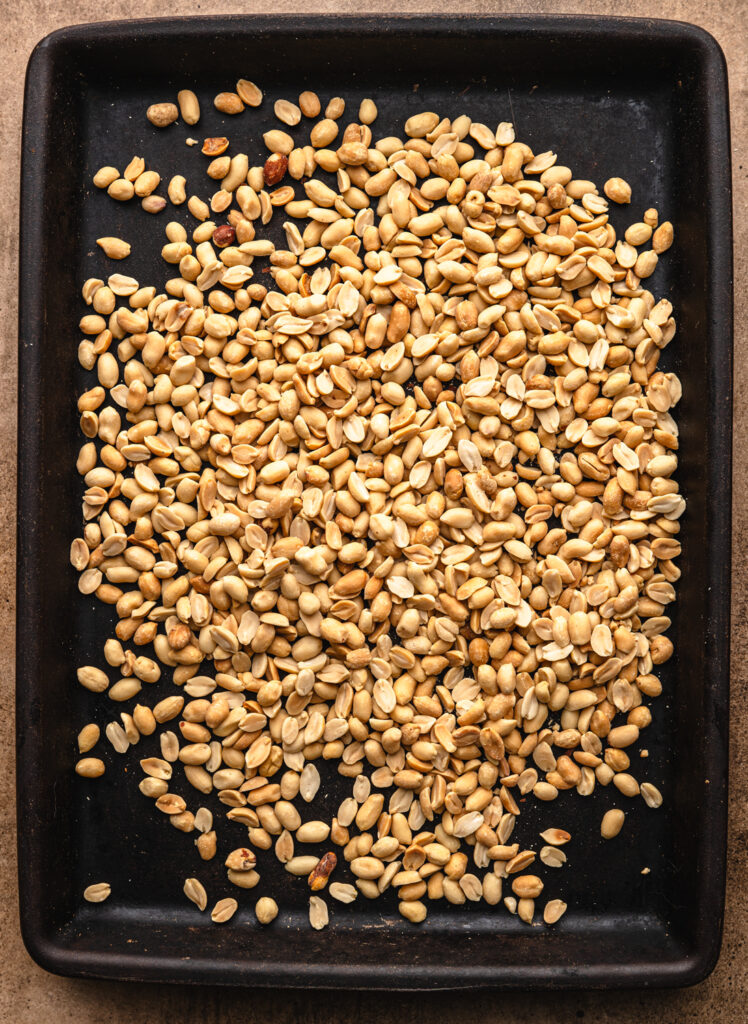
Preheat your oven to 350°F. Spread the roasted peanuts evenly onto a baking sheet and bake them for about ten minutes. You are not trying to deeply roast them again; you are simply warming them so their oils release more easily. You will know they are ready when they smell warm, nutty, and toasty.

Add Peanut to the Food Processor

Carefully add the hot peanuts to your food processor. They will be warm, so take your time and use caution. Hot peanuts are the secret to a faster, smoother peanut butter. Start processing the peanuts. At first, they will break down into a coarse crumble. After another minute or two, they will look sandy and dry.

It’s good to take breaks to stop the processor and scrape down the sides as needed so everything blends evenly. Continue to blend and scrape until the peanuts start to clump together into a thick paste. This is the point where people often think something has gone wrong, but trust the process. Keep blending, scraping, and blending again.

Blend Until Smooth and Runny

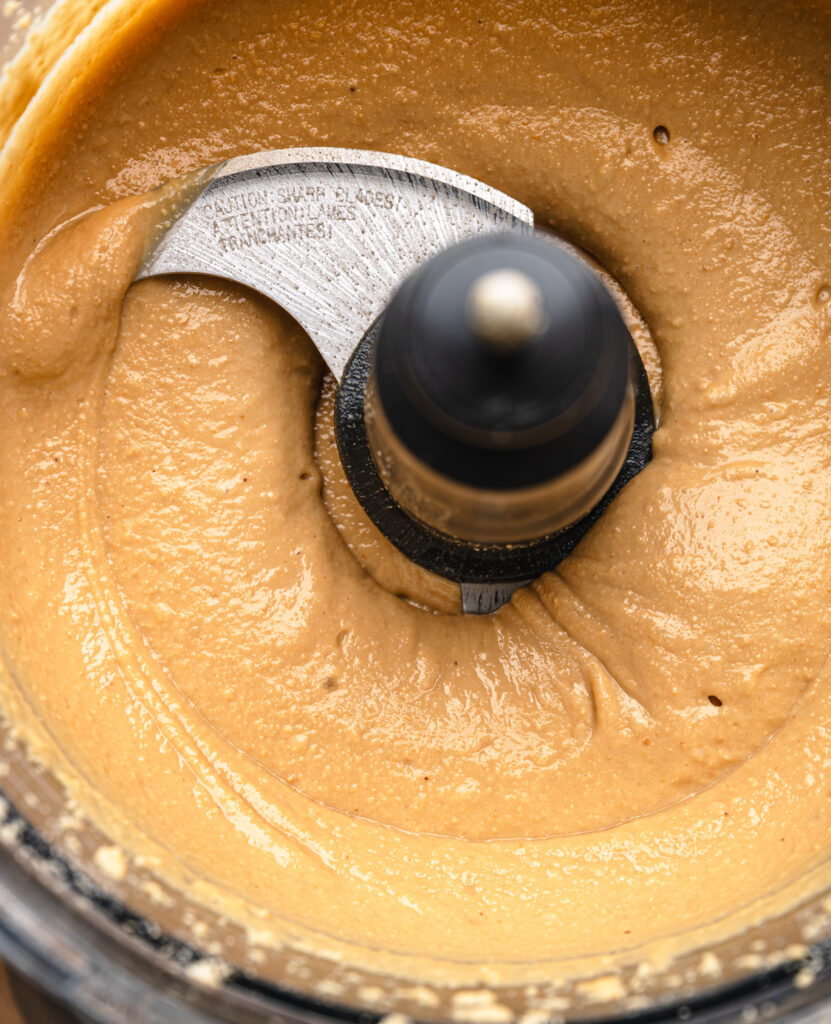
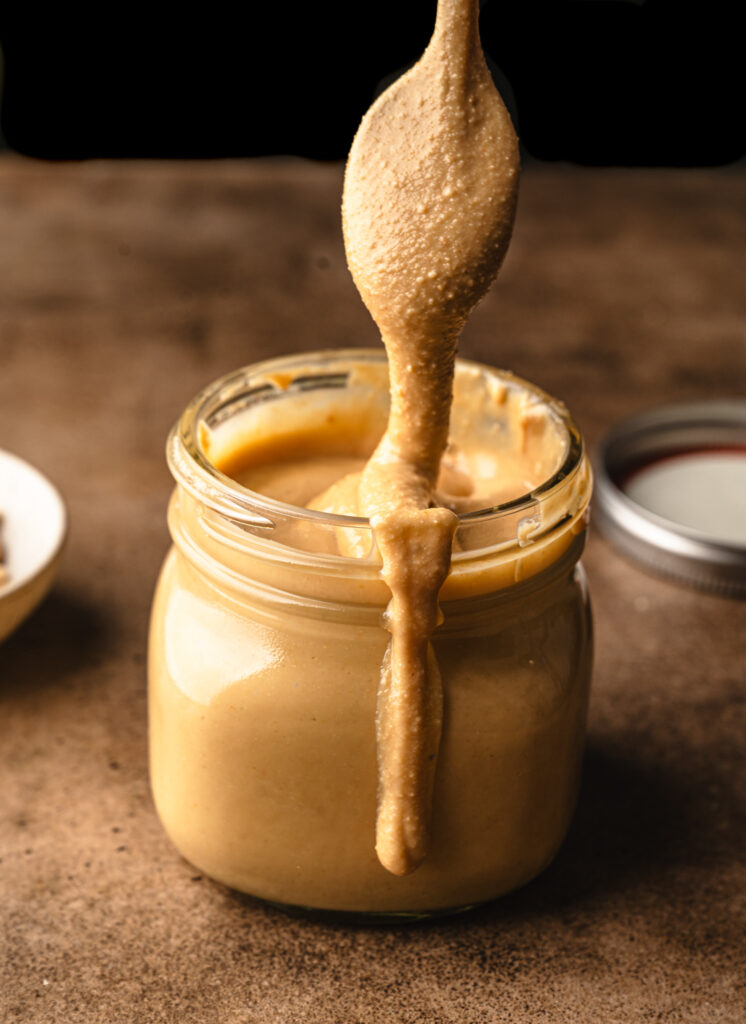
After about five minutes, the mixture should begin to loosen into creamy peanut butter. Keep processing until it becomes smooth, glossy, and runny. You will see the transformation happen, and it is very satisfying. Add the sea salt and process again until fully incorporated. Taste and adjust if needed. A little more salt can make a big difference, so season with your heart, but do not overdo it.

Transfer and Cool

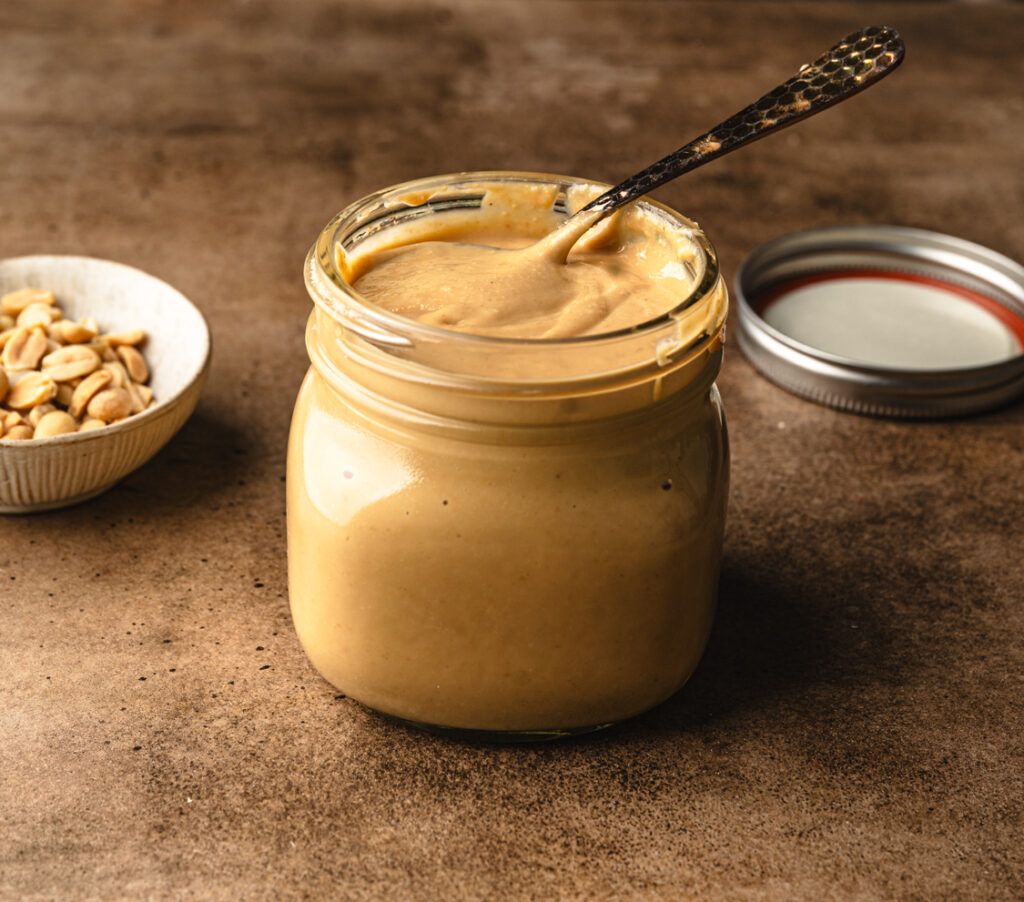
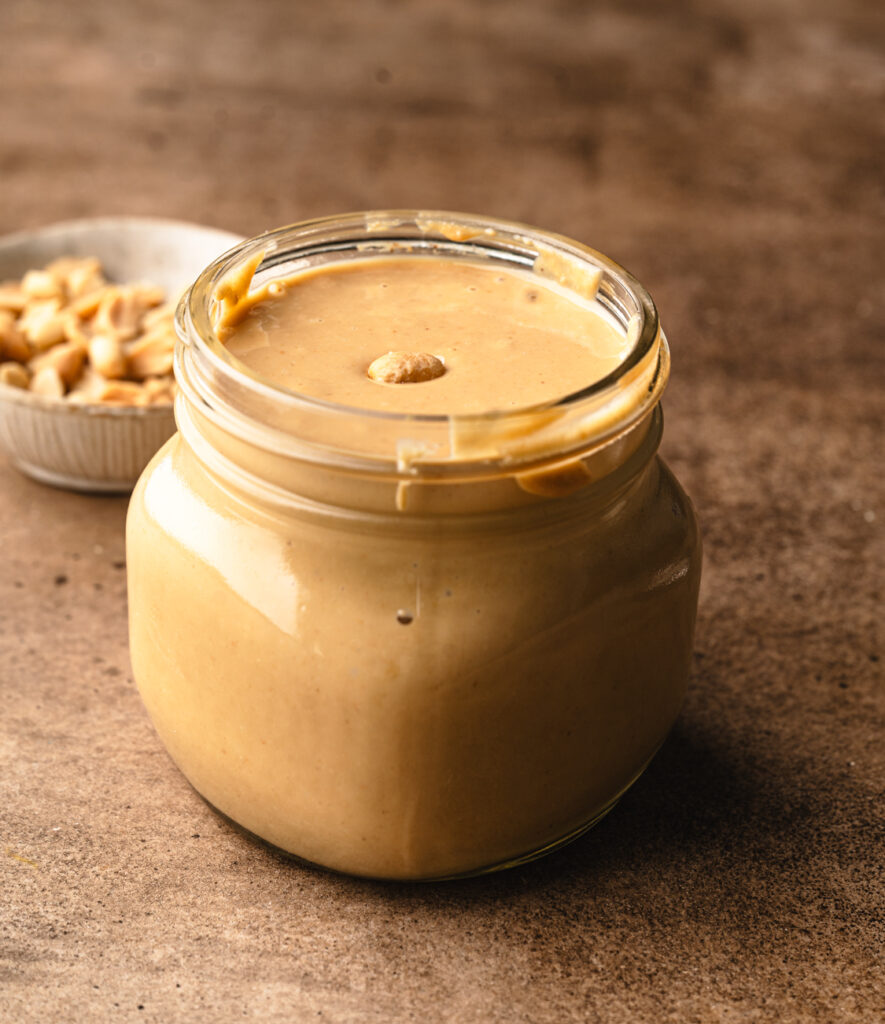
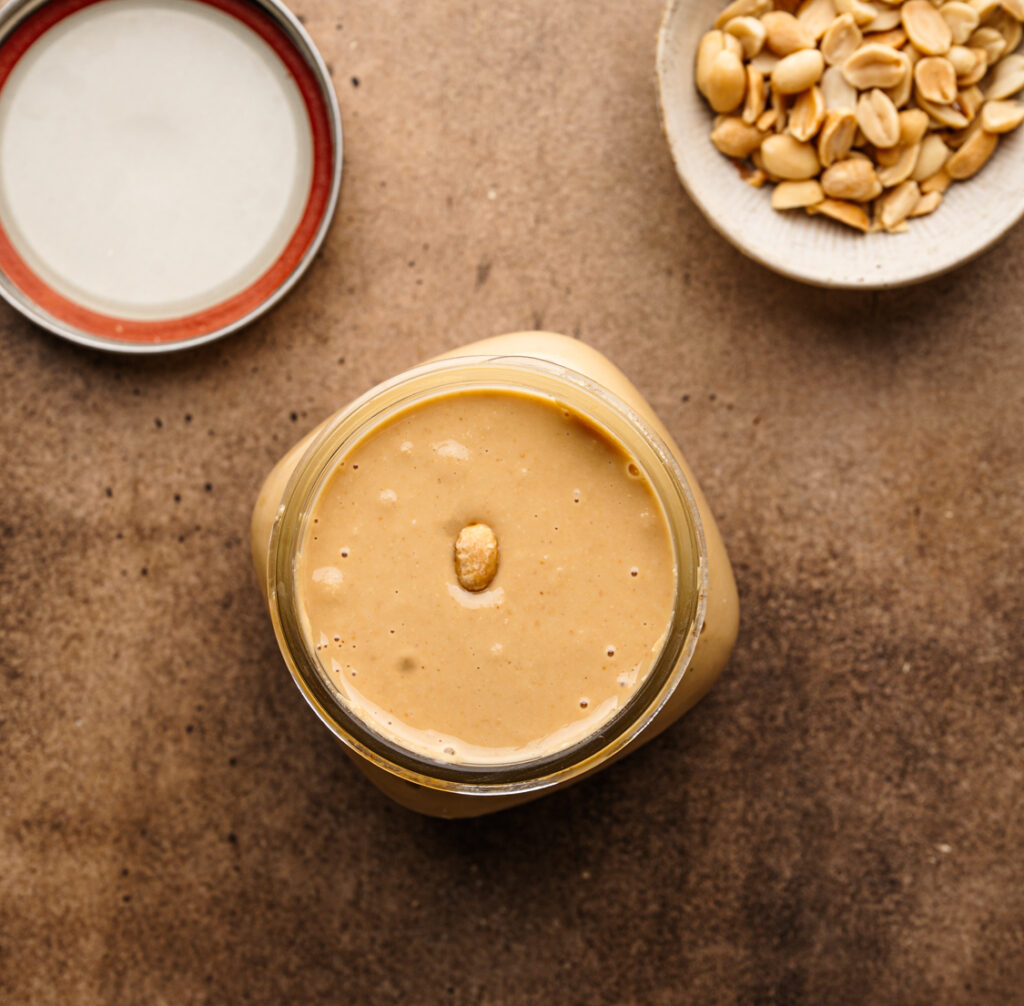
Pour the peanut butter into a clean jar. It will still be warm, so leave the lid off until it has completely cooled. Once cool, seal the jar and store it in a dark place like your pantry.

How To Store This Peanut Butter

  • If you like a runnier peanut butter, store it in the pantry for up to three weeks. A cool, dark pantry is best.
  • If you prefer a stiffer or thicker texture, store it in the fridge. Just know that refrigeration will make the peanut butter firmer and less pourable.
  • Because this peanut butter has no added stabilizers, it may thicken slightly or naturally separate over time. Just give it a good stir before using.

What If I Like Crunchy Peanut Butter?

If you love crunchy peanut butter, this recipe will still work perfectly for you. Before processing all the peanuts into butter, reserve a small handful of roasted peanuts and roughly chop them until you achieve the size you’d like as your crunch. Once your peanut butter is smooth and salted, stir the chopped peanuts back in by hand. This gives you that beautiful, crunchy peanut texture while still keeping the base creamy and fresh. This is the joy of making peanut butter at home: you get to make it exactly how you like it!

Tips For The Smoothest Peanut Butter

  • If I can give you one tip that you absolutely should follow, it’s to use warm peanuts! Heating the peanuts before processing helps the oils release faster, which means the peanut butter becomes smoother more quickly, and you won’t overwork your food processor.
  • Use a strong food processor and be patient. The mixture goes through stages, and it will not look smooth right away. Crumbly, sandy, thick, clumpy, then creamy. That is the order.
  • Scrape down the sides often. This helps everything blend evenly and prevents dry bits from getting stuck around the edges.
  • Use unsalted peanuts so you can control the salt level yourself. Salted peanuts can make the final peanut butter too salty.

Recipes Using Peanut Butter

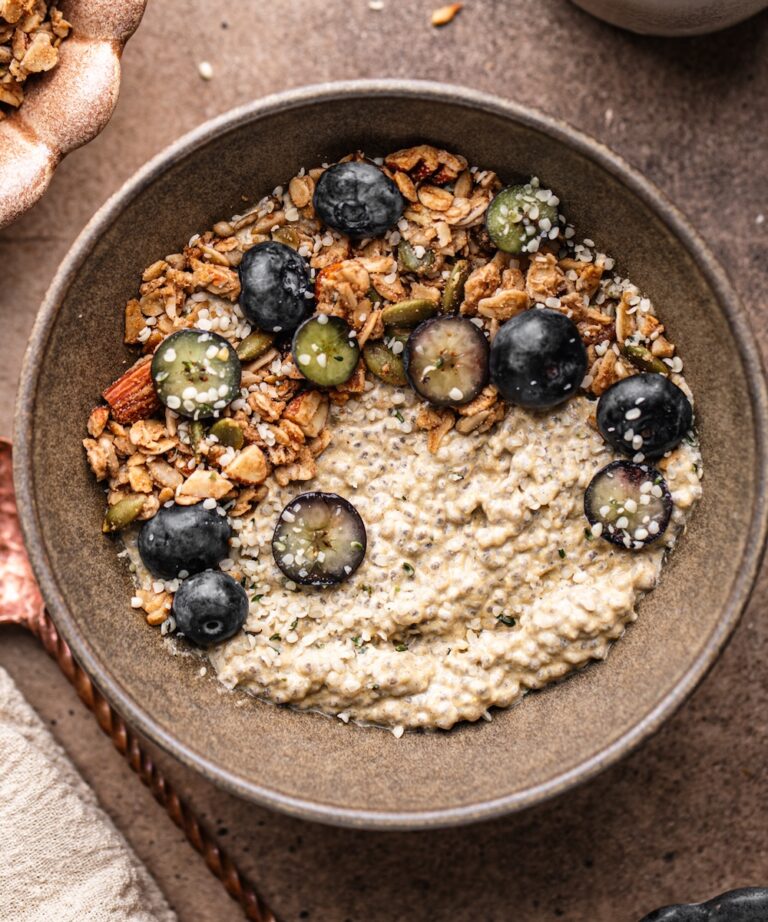
There are endless ways to use homemade peanut butter, and my goodness, have I got a lot of recipes you can enjoy! Aside from the fact that peanut butter is perfect for spreading on toast with banana and flaky salt, or swirling it into oatmeal, or let’s say blending it into smoothies, you can also drizzle it over yogurt bowls, spoon it into homemade ice cream or use it in homemade salad dressings. As for baking, the options are endless; think protein ballsgranola barscookies, or in banana bread.

Homemade Peanut Butter FAQ

What kind of peanuts should I use? Use roasted, skinless, unsalted peanuts for the easiest and best result. They blend quickly and give you full control over the salt. If you only have raw peanuts, roast them first until golden and fragrant before processing.

How long does peanut butter last? This homemade peanut butter lasts up to three weeks in the pantry if stored in a clean jar in a cool, dark place. You can also store it in the fridge if you prefer a thicker texture.

Is it cheaper to make your own peanut butter? It can be, especially if you buy peanuts in bulk. Store-bought natural peanut butter can be expensive, and making it at home allows you to control the ingredients.

Is peanut butter healthy? Peanut butter can absolutely be part of a healthy diet. It contains plant-based protein, healthy fats, and fibre, and it is very satisfying.

Can I make peanut butter in a blender? Technically, yes, you can make any nut butter in a high-powered blender, but it’s not as efficient as a food processor. You may need to stop and scrape down the sides more often or make your nut butter in smaller batches.
Did You Make This Recipe?

If you made this homemade peanut butter recipe, I would love to hear what you think. Leave a rating and review below!

Other Nut Butters To Try Next!

If you love making nut butters at home as I do, try one of these homemade nut butters next:

Homemade Pecan Butter

Almond Butter

Sunflower Seed Butter

TERI ANN CARTY

Food Photographer and Recipe Developer based in Toronto, Canada. 

FREE EBOOK
A Few Favourites

Join my mailing list!

Homemade Peanut Butter

This homemade Peanut Butter recipe is smooth, creamy, deeply roasted, and made with just two simple ingredients: peanuts and salt! Once you learn how to make peanut butter at home, you may never go back to store-bought. It is fresh, affordable, easy, and healthier than anything you'll find on the grocery store shelf.
Print Pin Rate
Servings: 2 cups
Author: Teri-Ann Carty
Prep Time: 10 minutes
Cook Time: 10 minutes
Total Time: 20 minutes

Equipment

Ingredients

  • 4 cups unsalted roasted skinless peanuts
  • ½ tsp sea salt

Instructions

  • Preheat oven to 350.
  • Spread peanuts evenly onto a baking sheet.
  • Bake for 10 minutes.
  • Carefully add hot nuts to a food processor.
  • Process for 5 minutes, scraping down sides as needed.
  • Continue to process until the peanut butter is smooth and runny.
  • Transfer to a jar. Leave the lid off until the peanut butter has completely cooled.
  • Store in a dark place like your pantry.*

Notes

  • If you prefer a thicker/stiffer peanut butter, store it in the fridge.
  • If you prefer a runnier peanut butter, store it in the pantry for up to 3 weeks.

Nutrition

Serving: 1cup | Calories: 1761kcal | Carbohydrates: 64g | Protein: 73g | Fat: 149g | Saturated Fat: 23g | Polyunsaturated Fat: 29g | Monounsaturated Fat: 79g | Sodium: 1811mg | Potassium: 1902mg | Fiber: 25g | Sugar: 15g | Calcium: 174mg | Iron: 5mg

*Macros are provided as an estimate for convenience. Your final numbers will vary depending on ingredient brands, substitutions, and how you portion the recipe.

Leave a Reply

Your email address will not be published. Required fields are marked *

Recipe Rating


SUBSCRIBE!

Join my mailing list and be the first to get my recipes, discounts to brands I love and more! I promise not to spam you.